Below, I break down the main tools, from deposit and loss controls to short breaks and longer self-exclusion options, so you can keep your play balanced and easier to manage.
Best PlayOJO Bonus Offers
All offers reviewed and verified by our team. 18+ | T&Cs apply | BeGambleAware.org

50 Free Spins on Book of Dead — No Wagering
- No wagering on winnings
- 3,500+ casino games
- Instant withdrawals
- UKGC regulated
New players only. 18+. T&Cs apply. BeGambleAware.org.
100% up to £50 + 50 Free Spins — No Wagering!
- No wagering requirements
- 5,000+ slots & live games
- Same-day withdrawals
- OJO Wheel & OJO Plus rewards
New players only. 18+. Max bonus £50. T&Cs apply.
VIP Rewards + Fast Payout Guarantee
- Dedicated VIP manager
- Higher withdrawal limits
- Exclusive reload bonuses
- Priority support 24/7
New players only. 18+. T&Cs apply. BeGambleAware.org.
★ 4.7/5 — based on 1,247 verified player reviews
Why use PlayOJO responsible gambling limits
From my experience reviewing safer play tools, most people sign in for entertainment and set an informal budget in their head. The problem starts when spending, time, or emotions drift beyond that original plan. That is where responsible gambling tools help: they turn a vague intention into clear account settings.
PlayOJO account limits can help you manage money, session length, and decision-making after a losing run. They are not there to stop all play. They are there to support a more comfortable routine and reduce impulsive top-ups or marathon sessions. The main tools usually include deposit limits, loss limits, time controls, cooling-off breaks, and self-exclusion.
- Keep to a set budget
- Avoid chasing losses
- Plan your playtime
- Add friction before impulsive decisions
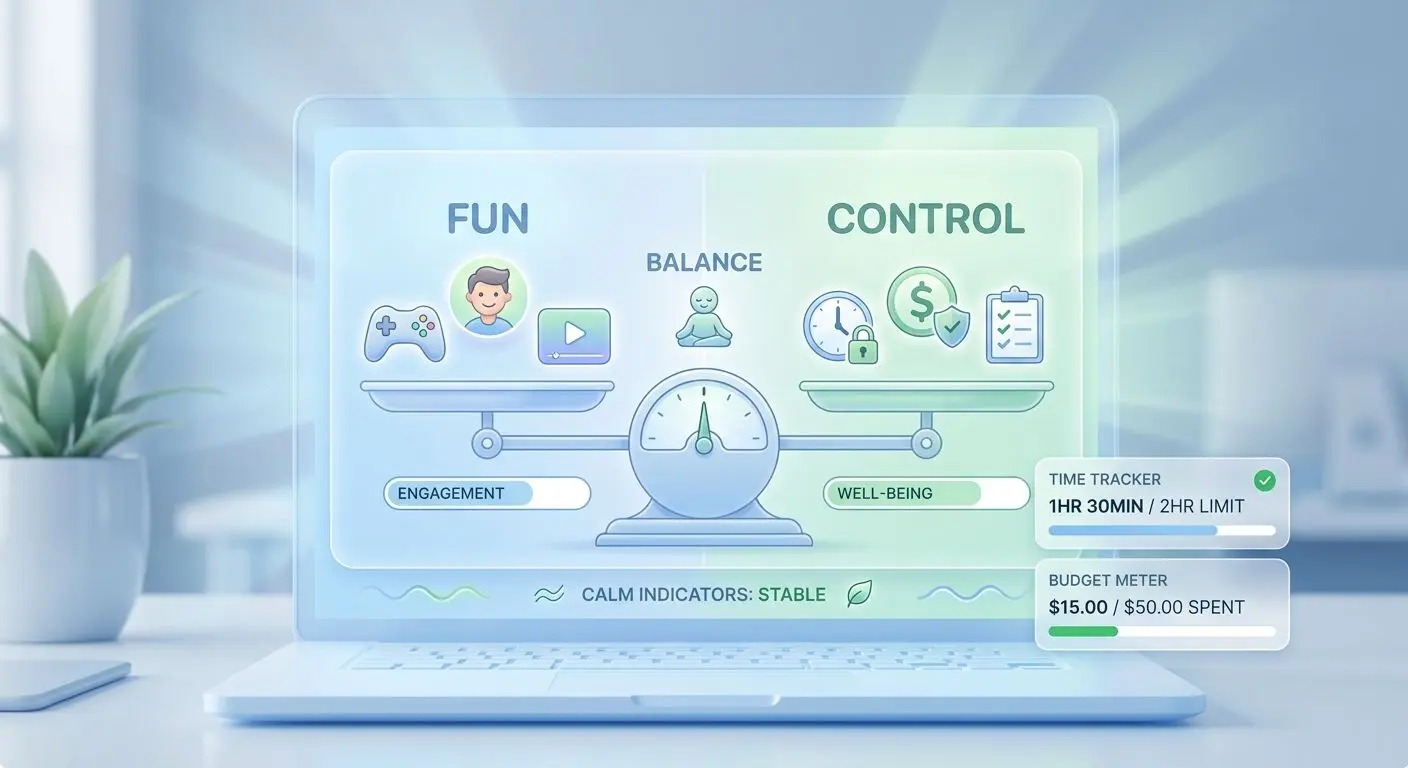
Types of PlayOJO account limits and breaks
When I analyze safer gambling in Canada, I usually group the tools into five practical categories. Deposit limits cap how much you can add to your account over a day, week, or month. Loss limits focus on net losses over the same type of period.
Session or login time limits deal with playtime rather than money. They are useful if you tend to stay online longer than planned. Temporary breaks, often called cooling-off periods, give you a short pause from play. Long-term self-exclusion is the stronger option if gaming starts affecting your finances, routine, or relationships.
Below, I go through each tool separately, with simple examples and general steps you can follow inside your account settings.
How to set PlayOJO deposit limits
A deposit limit restricts the total amount you can add to your account during a chosen period, usually daily, weekly, or monthly. I often suggest starting here because it is the easiest way to control a fixed entertainment budget. If you know your weekly amount in advance, the limit helps enforce it automatically.
In most systems, you can set a new limit or lower an existing one fairly easily. If you want to raise it later, the increase may not apply right away. That delay works like a cooling-off buffer, giving you time to reconsider before more funds become available for play.
Step-by-step: setting your deposit limit
The exact menu labels can change, but the path is usually straightforward inside your account area.
- Sign in and open your My Account section.
- Find the responsible gambling tools or account limits area.
- Select the deposit limit option.
- Choose a period such as daily, weekly, or monthly.
- Enter the amount you want to allow.
- Confirm the change and review the updated setting.
Understanding and using loss limits
A loss limit caps your net losses within a selected period, such as a day, week, or month. In simple terms, the system compares your total stakes with your total returns and tracks the difference. The purpose is to stop further play once your allowed negative result has been reached.
I find this tool especially useful for players who tend to chase losses after a rough session. A deposit limit controls how much goes in, but a loss limit is more focused on what actually happens during play. If results turn against you, the limit can cut off further activity before the setback grows.
Lowering a loss limit usually takes effect quickly. Raising it may come with a delay, again using a cooling-off approach so decisions made under pressure do not apply immediately.
Simple example: how a loss limit works
Here is a simplified three-day scenario. On Day 1, the player finishes ahead, so no loss threshold is triggered. On Day 2, part of those earlier gains is lost, and the cumulative result moves into negative territory. Once the allowed loss level is reached, play stops. On Day 3, the player lowers the limit even further to reduce risk. The point is not to block wins; it is to cap acceptable downside.
| Day | Starting balance (before play) | Total bets | Total wins | Net result for the day | Cumulative net loss | Loss limit reached? (Yes/No) |
|---|---|---|---|---|---|---|
| Day 1 | $100 | $60 | $80 | +$20 | $0 | No |
| Day 2 | $120 | $90 | $40 | -$50 | $50 | Yes |
| Day 3 | $70 | $20 | $10 | -$10 | $10 | No |
| Day 4 | $60 | $35 | $15 | -$20 | $30 | Yes |
Review your loss limit settings
Time and session controls: staying in charge of your playtime
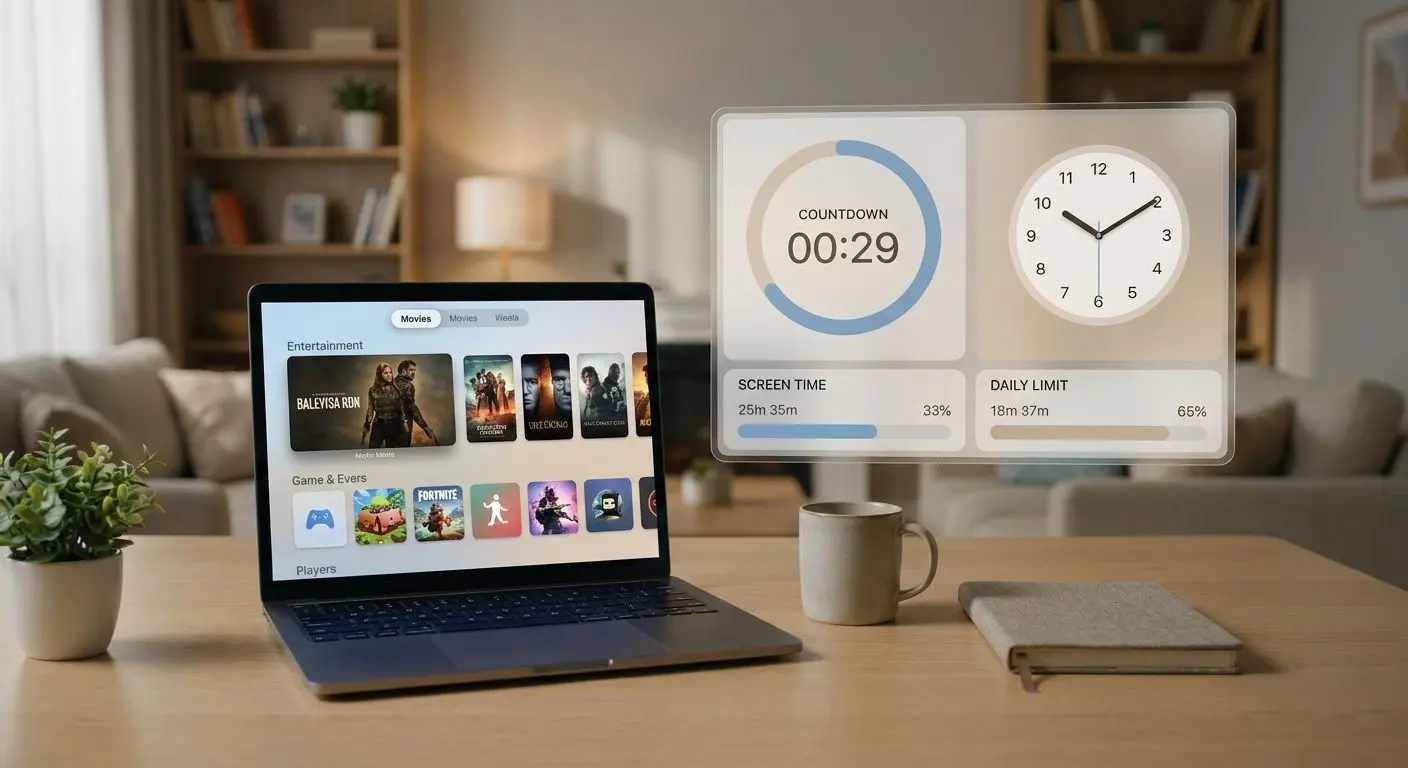
Money limits are only part of the picture. Many players also need a structure around time. Session or login time limits can restrict how long you stay active over a day or week, while reminders can alert you after a certain period online.
I often recommend adding time controls if you notice that late-night play stretches much longer than intended. These tools help you step away, reset, and fit gaming around work, family, or other commitments. They are especially useful when spending is under control, but time is not.
How to set session or login time limits
You can usually find time settings in the same account area as other responsible gambling tools. Choose the type of limit, set the maximum number of minutes or hours for the day or week, and confirm. Once the limit is reached, your session may end automatically, and access may stay restricted until the next period begins.
| Type of time control | What it does | When it’s useful |
|---|---|---|
| Login time limit | Caps total logged-in time | If you drift into long sessions |
| Session reminder | Sends time alerts while playing | If you lose track of time |
| Daily session cap | Blocks further play after a daily limit | If you want strict day-by-day control |
| Weekly session cap | Limits total weekly playtime | If you prefer broader planning |
Cooling-off breaks and PlayOJO self-exclusion options
I separate these tools into short pauses and long-term restrictions because they serve different needs. A cooling-off break is a temporary pause, usually ranging from a few days to a few weeks. During that period, access to games and deposits is normally blocked. In some cases, limited account access for checking balance or arranging a withdrawal may still be possible, but that can depend on the account setup.
Self-exclusion is the stronger option. It usually runs for months or longer and is designed for players who feel they have lost control or need a serious reset from gambling activity. During self-exclusion, the account is generally blocked for play and new deposits for the selected term.
If you are unsure which route fits your situation, the PlayOJO support centre is the right place to ask for guidance before confirming a restriction.
How to request a break or self-exclusion
The general process is similar to setting other PlayOJO self-exclusion options. Sign in, go to the responsible gambling or account limits section, choose either a short break or long-term self-exclusion, select the duration, and confirm the request. If you choose self-exclusion, do not try to work around the restriction. It also makes sense to contact support and, if needed, seek outside help if play is affecting daily life.
| Tool | Typical duration | Main purpose | What is blocked | When to consider it |
|---|---|---|---|---|
| Lower limits | Immediate account control | Reduce spending or losses | Part of account activity | If you need a lighter first step |
| Cooling-off break | Short term | Pause and reset | Play and deposits | If you feel pressure or fatigue |
| Self-exclusion | Long term | Full separation from play | Play and deposits for the selected term | If control feels lost or problems repeat |
Popular Slots at PlayOJO
Top-rated games available at PlayOJO Casino right now

Practical checklist: choosing the right PlayOJO limit
When I compare user behaviour patterns, the right tool usually becomes clear after a few direct questions. A short self-check can save you from choosing a limit that is too weak or too restrictive.
- Do you top up your account more often than you planned? Start with deposit limits.
- Do you stay online longer than expected? Add a daily or weekly time limit.
- Do you return quickly after losses to win money back? Review loss limits.
- Do you feel tense, tired, or frustrated after playing? Consider a cooling-off break.
- Is play affecting your budget, relationships, or work routine? Look at self-exclusion.
- Do you need access to remaining funds during a pause? Read the PlayOJO withdrawal guide before taking action.
| Situation | Recommended tool | What to do next |
|---|---|---|
| I keep topping up my account | Deposit limit | Set a weekly or monthly cap |
| I play late at night | Time limit | Add daily session controls |
| I chase losses | Loss limit | Lower the limit and review activity |
| I feel stressed after playing | Cooling-off break | Pause and reassess |
| I’m worried about my gambling | Self-exclusion | Block access and contact support |
Stay in control across all your PlayOJO activity
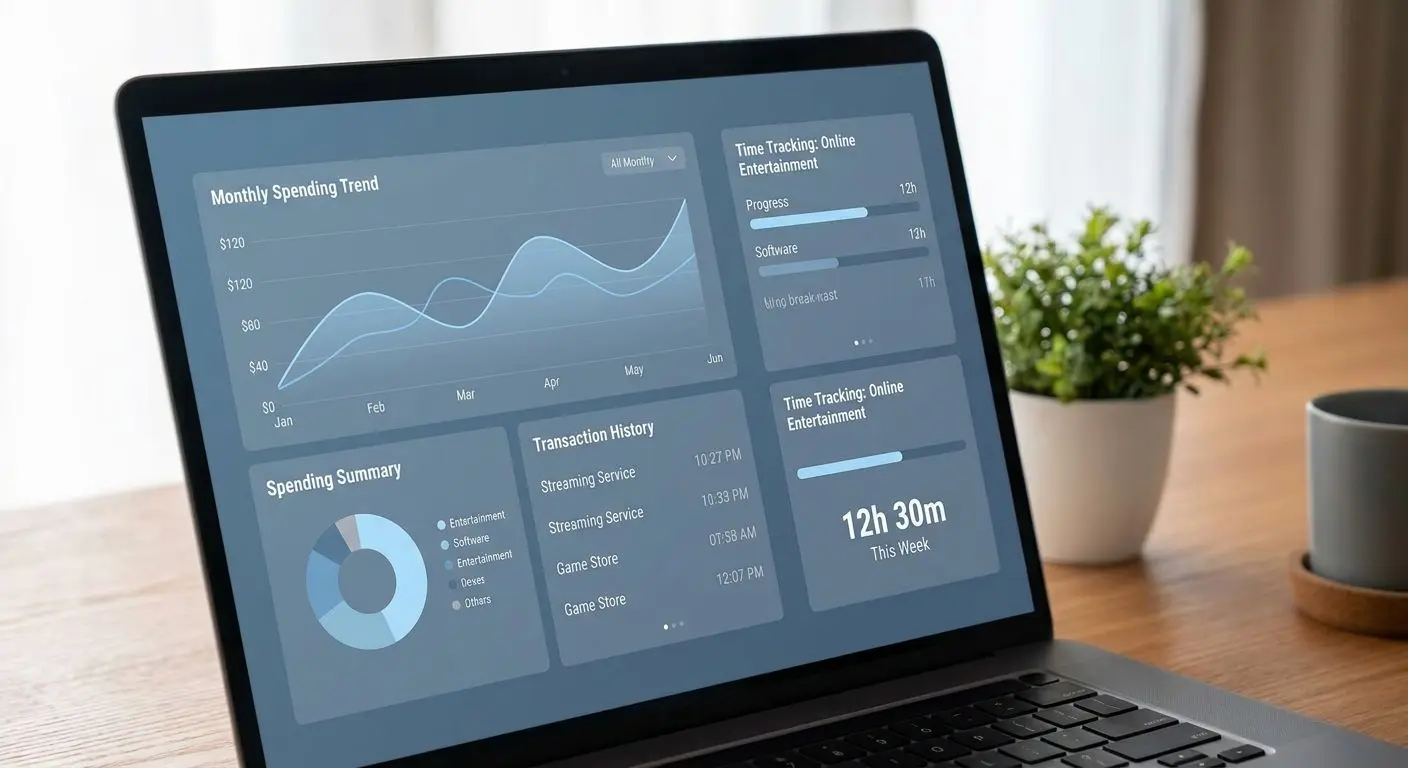
Limits, breaks, and self-exclusion work best when you review your actual account history. In PlayOJO, you can usually check transaction records, play history, deposits, wins, and withdrawals. I recommend using that data to compare what you planned with what really happened.
If your pattern changes, adjust your limits to match it. The goal is to keep PlayOJO casino games in the entertainment category, not treat them as a way to earn money. If you want updates outside the account area, PlayOJO also shares information through Facebook, Instagram, X, and YouTube.

Frequently asked questions about PlayOJO limits and self-exclusion
-
How do I change or remove a PlayOJO deposit limit?
You can usually change it through your account settings in the responsible gambling or account limits area. Lowering a limit often applies quickly, while increasing or removing one may take longer because of a cooling-off delay. Before making a major change, I suggest checking your recent transaction history and thinking about why you want the change.
-
What happens to my balance if I take a break or self-exclude from PlayOJO?
Your remaining balance generally stays yours, and you can request a withdrawal through the normal account process. Timelines can vary, so I recommend reading the PlayOJO withdrawal guide before starting a break or self-exclusion. Extra details may also appear in the site’s policy and terms pages.
-
Can I still receive marketing emails while I’m on a break or self-excluded?
In many cases, marketing messages are reduced or stopped during stronger account restrictions. If you still receive messages that feel unnecessary, check your communication preferences in your account or contact support to ask for changes.
-
Is it enough to set only one type of limit on my PlayOJO account?
Sometimes yes. If your only issue is topping up too often, a deposit limit may be enough. But many players do better with a combination of money limits, time controls, and occasional breaks because those tools cover different habits.
-
What should I do if I still feel out of control after setting limits?
Tighten the settings right away by lowering limits or moving to a cooling-off break or self-exclusion. I would also contact the PlayOJO support centre for account-specific help. If play is affecting your finances, mood, work, or relationships, outside support is worth seeking as well.