The playojo right to information and a playojo gdpr request both relate to one practical question: how can you see, understand, and manage the personal data connected to your account? I wrote this guide to explain the process in plain language for players who want a clearer view of their privacy rights, what data may be held, and what usually happens after a request is submitted.
Best PlayOJO Bonus Offers
All offers reviewed and verified by our team. 18+ | T&Cs apply | BeGambleAware.org

50 Free Spins on Book of Dead — No Wagering
- No wagering on winnings
- 3,500+ casino games
- Instant withdrawals
- UKGC regulated
New players only. 18+. T&Cs apply. BeGambleAware.org.
100% up to £50 + 50 Free Spins — No Wagering!
- No wagering requirements
- 5,000+ slots & live games
- Same-day withdrawals
- OJO Wheel & OJO Plus rewards
New players only. 18+. Max bonus £50. T&Cs apply.
VIP Rewards + Fast Payout Guarantee
- Dedicated VIP manager
- Higher withdrawal limits
- Exclusive reload bonuses
- Priority support 24/7
New players only. 18+. T&Cs apply. BeGambleAware.org.
★ 4.7/5 — based on 1,247 verified player reviews
If you are in Canada, this page is especially relevant because many players want privacy standards that feel transparent and easy to use. While GDPR is a European data framework, the standards behind it are widely recognized and often shape how major online platforms handle personal information more broadly. At a practical level, you may ask what data PlayOJO has about you, request a copy, or ask why specific information is processed. For the formal policy wording, see the PlayOJO privacy and cookie policy.

Your core GDPR information rights as a PlayOJO player
When I review player privacy rights in online casinos, I focus on the rights most people actually use. Full legal wording usually covers more, but these are the rights that matter most when you want clarity, corrections, or less unwanted processing.
- Right to information: you should receive clear notice about what data is collected, why it is used, and who it may be shared with.
- Right of access: you can make a GDPR data access request and ask for a copy of personal data connected to your account.
- Right to rectification: if details in your account are inaccurate or outdated, you can ask for them to be corrected.
- Right to restrict processing: in some situations, you can ask for data use to be limited while an issue is reviewed.
- Right to object: you can object to certain uses of your data, especially direct marketing and similar communications.
For day-to-day use, these rights are less about legal theory and more about visibility and control. That is the purpose of this guide.
| Right | What it means in plain language | Typical example for a player |
|---|---|---|
| Information | Clear explanation of what data is collected and why | Reading how account and transaction data are used |
| Access | Asking for a copy of your personal data | Requesting account history and stored profile details |
| Rectification | Fixing inaccurate data | Correcting an old phone number or address |
| Restriction/Object | Limiting certain data uses | Asking to pause processing linked to a disputed issue |
| Marketing opt-out | Stopping promotional use of your data | Unsubscribing from offers and promo emails |
What information can you request from PlayOJO?
In most cases, PlayOJO personal data access covers information directly linked to your account and activity. Online gaming platforms usually hold several layers of data: account details, transactional records, gameplay history, and technical usage information. Some records may also exist in anonymized or aggregated form, which means they no longer identify you personally.
A response is usually reasonably complete within legal and operational limits, but not every internal record will necessarily be disclosed if it falls outside your personal data scope or must be protected for compliance reasons.
- Registration and profile details
- Contact information and account preferences
- Basic identity verification and compliance-related account records
- Deposit and withdrawal history
- Session activity and game participation records
- Technical logs such as IP or device-related information
- Marketing preferences and communication settings
How to submit a GDPR information request to PlayOJO
If you are wondering how to request my data from PlayOJO, the cleanest approach is to make a clear, specific request through support. Vague messages like “send me everything” may slow the process because the team may need to confirm what period or categories of data you want.
- Step 1: contact PlayOJO support and state that you want to make a GDPR information or access request.
- Step 2: Describe the scope as clearly as possible, such as account data, transaction history, technical logs, or a defined date range.
- Step 3: Wait for identity verification if needed; this may involve checks similar to how KYC documents are verified.
- Step 4: Respond to any follow-up questions if PlayOJO asks you to narrow or clarify the request.
- Step 5: Review the response once it is delivered through a secured way, such as your account environment or email.
Most requests are handled without a fee. Repeated, excessive, or unusually broad requests can sometimes be treated differently, depending on the workload and legal standard applied. Timing is usually up to one calendar month, though complex requests can take longer if extra verification or review is required.
| Step | What you do | What PlayOJO does |
|---|---|---|
| Initiate request | Send a clear privacy request | Logs and acknowledges the request |
| Confirm identity | Provide requested verification | Confirms the requester is the account holder |
| Clarify scope | Specify data type or date range | Reviews what records are relevant |
| Review data | Wait for internal processing | Collects and assesses responsive data |
| Prepare response | Monitor support updates | Organizes the reply in a usable format |
| Receive response | Check delivered files or message | Sends response through a secured way |
Submit a GDPR information request
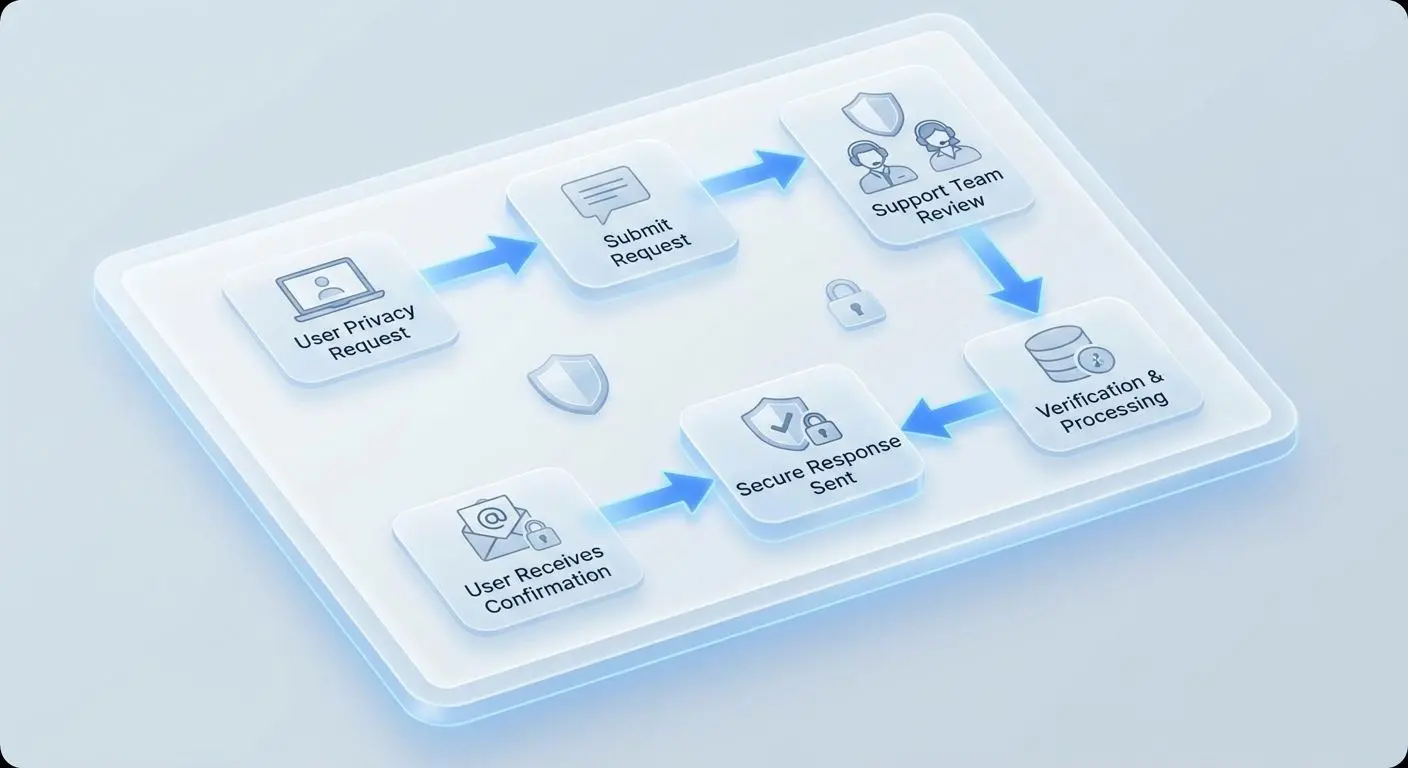
What happens after you submit your request
After submission, the request usually moves through a short review cycle. First comes confirmation that it was received. Then PlayOJO may verify identity, check what data is being requested, and assess whether the scope is broad, narrow, or needs clarification.
The response is then prepared and sent in a secured way. In some cases, you may be asked for extra information so the team can avoid disclosing third-party data or can apply account security, AML, and platform rules correctly. That extra step is normal and does not automatically mean there is a problem.
Some data may be withheld if disclosure could interfere with ongoing reviews, fraud prevention, security measures, or other lawful interests. A request to erase or restrict data may also be only partly fulfilled where retention duties still apply in this sector.
If you are unsure whether you need access, correction, restriction, or just a general explanation, support can help route the request.
Data retention and limits of your right to information
Data retention means some records must be kept for a period of time even after they are no longer used every day. In this industry, that can relate to financial reporting, fraud prevention, account security, and compliance with licensing or financial controls.
This affects what you may receive in response to a request. Older records might still exist, but they might also have been deleted, minimized, or anonymized. Your right to information and access is not unlimited. There can be valid exceptions where disclosure would expose security systems, affect crime prevention, or reveal information about other users.
Where something cannot be disclosed, PlayOJO would normally explain the general reason rather than simply ignoring that part of the request.
| Data category | Why it may be kept | What you can expect in a GDPR response |
|---|---|---|
| Account details | Account management and identity consistency | Current and historic profile data where available |
| Payments | Financial records and fraud controls | Transaction-related personal records tied to your account |
| Gameplay records | Activity review and account history | Personal play history, subject to legal limits |
| Technical logs | Security and system monitoring | Device/IP-related records where linked to you |
| Marketing preferences | Consent tracking and communication control | Opt-in or opt-out status and related settings |
How GDPR requests interact with your PlayOJO account
Submitting a GDPR request does not normally stop you from using your account. In standard situations, an information request runs alongside normal account activity. If a request overlaps with a separate complaint, verification issue, or internal review, those matters may be handled on their own track.
A data request is also different from a payout question or account restriction complaint. If your concern is specifically about payment timing or account cashout processes, pages such as /withdraw-guide/ or /withdrawal-times/ are usually more relevant. Marketing consent is separate as well: changing promotional preferences or withdrawing consent can often be done through account settings or support.
If you want a fuller explanation of processing purposes and categories, review the PlayOJO privacy and cookie policy.
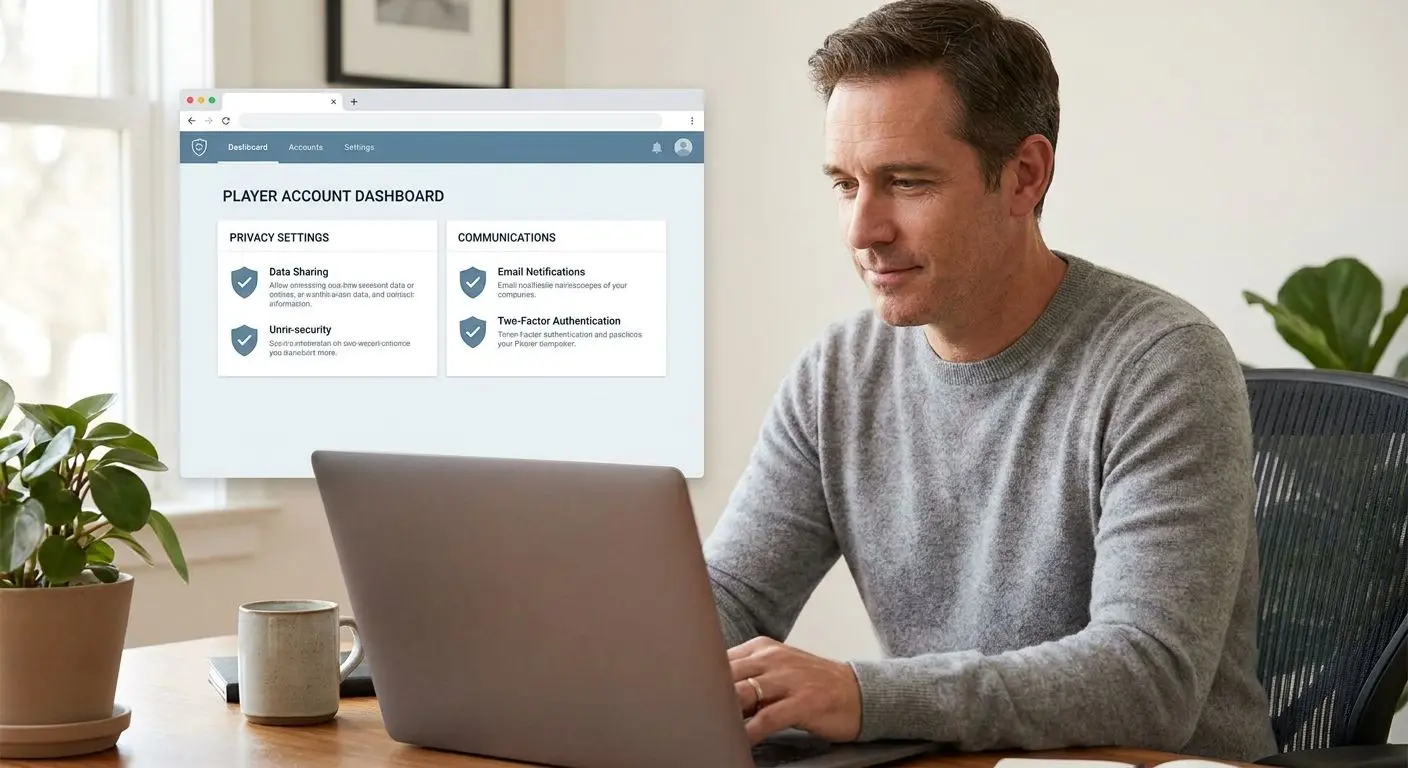
Stay in control: practical tips for Canadian players
From my perspective, the best privacy habits are simple and consistent. They reduce confusion if you later need to verify identity, correct details, or make a formal access request.
- Check your contact and payment-related account details from time to time so records stay current.
- Use a strong password and do not share it with anyone.
- Keep important emails that confirm transactions or account changes.
- Ask for clarification if a privacy notice or data-related message feels unclear.
- Use your right to information when you want a better picture of how your data is being used.
Privacy control also works better alongside account discipline. If you are reviewing limits and account habits, /responsible-gaming-limits/ may be useful as a separate reference.
Popular Slots at PlayOJO
Top-rated games available at PlayOJO Casino right now












About this PlayOJO privacy guide
This guide is designed to help players understand how information requests usually work in practice, what categories of data may exist, what limits can apply, and how to approach support with a clear request that is easier to process.


FAQ: PlayOJO right to information & GDPR requests
-
How do I know if my request is a GDPR information request or just a support question?
A normal support question usually asks about an account issue, payment status, or a feature. A formal GDPR information request asks what personal data is held about you, how it is used, or asks for a copy of that data. If your message is about privacy rights, say so directly.
-
How long does PlayOJO take to answer a GDPR information request?
In many cases, the reply time is up to one calendar month. If the request is complex, broad, or needs extra identity checks, more time may be needed. Where that happens, you would usually be informed that the review is still in progress and why extra time is needed.
-
Can PlayOJO refuse my request for information?
Yes, but usually only in limited situations. Examples include excessive or repetitive requests, requests that affect other people’s privacy, or cases where legal or security restrictions apply. If all or part of your request cannot be fulfilled, PlayOJO should explain the general reason for that outcome.
-
Does submitting a GDPR request affect my withdrawals or bonuses?
By itself, no. A privacy request is normally separate from payments, bonuses, or routine account use. If your account already has a separate review, those issues may continue on their own timeline. For payment-specific help, pages like /withdraw-guide/ or /policy-bonus-terms/ are more relevant than a data request.
-
How can I update or correct my personal details with PlayOJO?
That falls under the right to rectification. You may be able to update some details through your account settings, while other changes may require support review. The simplest route is to contact PlayOJO support and explain what needs correction. More general processing details are covered in the privacy and cookie policy.